Japanese Secondhand Fashion Guide 2026: Prices & Trends
Shop Japanese secondhand fashion in 2026: Mercari price ranges, trending styles, and how proxy services like Doorzo get items to you.
Japanese Secondhand Fashion Guide 2026: Prices & Trends

Japan has quietly become the world's best-kept secret for secondhand fashion. While Seoul and New York get the streetwear headlines, it's Tokyo's back-alley thrift shops, sprawling flea markets, and hyper-active resale apps like Mercari, Yahoo Auctions, and Rakuma that hold the deepest, best-priced archive of vintage and designer clothing on the planet. For international shoppers, the challenge has never been finding these pieces — it's been reaching them.
This guide breaks down the categories, styles, and price ranges that define Japan's secondhand fashion scene — the kind of evergreen knowledge that stays useful whether you're shopping in 2026 or 2030.
Why Japan's Secondhand Market Is Different
Japan has a cultural obsession with product condition. Clothing gets folded, stored, and cared for in ways that keep even 20-year-old pieces looking close to new. Combine that with a national habit of decluttering and a massive base of sellers on apps like Mercari, and you get a secondhand market that's deep, well-organized, and constantly refreshed with inventory that Western thrift stores simply don't have.
For shoppers outside Japan, this market is only reachable through proxy shopping services. Doorzo is a proxy shopping service that purchases items listed on Japanese marketplaces, such as Mercari and Yahoo Auctions, on behalf of customers outside Japan and ships those items internationally. This is a different shopping model than searching for a single trending product — it's about knowing where to look and what a fair price looks like across entire categories of clothing.
Where the Secondhand Treasure Actually Lives
- Mercari: Japan's largest consumer-to-consumer marketplace, and the single best source for everyday secondhand fashion, from fast fashion to rare designer archive pieces.
- Yahoo Auctions Japan : More auction-driven, often where serious collectors and resellers list higher-end vintage and designer goods.
- Rakuma / PayPay Fleamarket : Similar to Mercari, useful for cross-referencing prices.
- Local recycle shops and thrift chains (Kinji, Flamingo, RAGTAG, Komehyo) : Physical stores with curated secondhand racks, often listed online too.
- Bookoff : One of Japan's largest secondhand retail chains. Best known for books and media, its recycle shops also carry a steady stream of clothing, bags, and accessories. Bookoff is one of Doorzo's partner platforms, so items can be sourced directly rather than relying on an individual seller's listing.
Trending (and Timeless) Japanese Secondhand Styles
Rather than chasing one viral item, it's more useful — and more sustainable — to understand the recurring style categories that define Japanese secondhand fashion. These categories rotate in and out of trend cycles, but they never fully disappear.
1. Y2K and Harajuku Streetwear

Layered separates, low-rise cuts, graphic tees, and platform shoes tied to early-2000s Harajuku street style continue to resurface every few years. Secondhand Y2K pieces from Japanese brands are prized because the originals were made for the domestic market and rarely get restocked.
2. Japanese Lifestyle Fashion

Secondhand pieces from Japanese select shops like Beams, United Arrows, and Journal Standard are a steady staple of the resale market, covering everything from everyday basics to in-house collaborations with international labels. These brands built their reputation on curating a distinct Japanese take on casual and lifestyle fashion, so their secondhand pieces tend to hold appeal well beyond a single season. Mercari and Bookoff both carry a consistent flow of Beams and United Arrows pieces, making this one of the more reliable categories for everyday secondhand shopping.
3. Gyaru Fashion

Gyaru fashion — bold, glamorous, accessory-heavy — has a dedicated resale community. Secondhand accessories, platform boots, tanned-doll makeup accessories, and layered jewelry from this era are a recurring niche with steady, if not explosive, demand on Mercari and at Bookoff recycle shops.
4. Jirai-kei Fashion

Jirai-kei ("landmine style") blends cute, girlish silhouettes with dark, moody details — think black lace blouses, plaid mini skirts, ribbon chokers, and platform Mary Janes. It's one of the fastest-growing niche categories among younger Japanese fashion communities, and secondhand pieces are increasingly easy to find on Mercari as the trend matures into an established, recurring style rather than a passing moment.
5. Fashion Bags and Branded Accessories

Secondhand bags are one of the most consistent categories in Japan's resale market, ranging from everyday brands like Samantha Thavasa to luxury houses such as Coach, Kate Spade, and Louis Vuitton. Because Japanese owners tend to store bags carefully and keep original dust bags and boxes, secondhand condition here is often noticeably better than in other markets — Bookoff and Komehyo are especially strong sources for this category. Full pricing breakdown in our secondhand designer bags in Japan guide.
6. Muji and Japanese Minimalist Basics
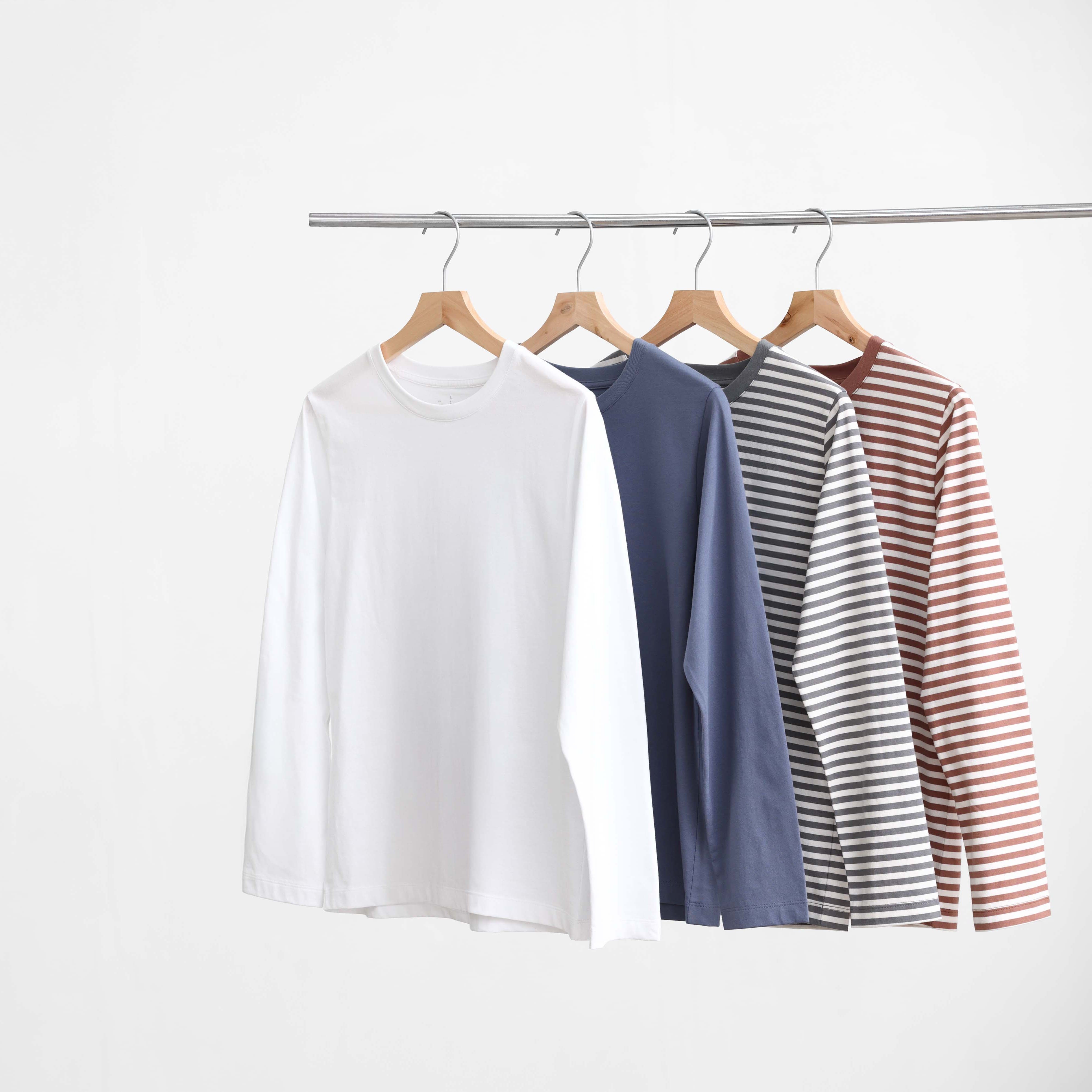
MUJI's plain, functional basics — linen shirts, simple knitwear, uniform-style workwear — make up one of the highest-volume secondhand fashion categories in Japan. Because the aesthetic barely changes season to season, MUJI pieces stay relevant on the resale market indefinitely, making this one of the steadiest, most evergreen categories to shop. It's a frequent find at Bookoff and on Mercari alike. See our MUJI secondhand basics guide.
Japanese Secondhand Fashion: Price Range Guide
Prices vary by condition, brand tier, and platform, but here's a general framework for what to expect when buying secondhand Japanese fashion through a proxy service (prices in USD, before proxy and shipping fees):
| Category | Everyday / Budget | Mid-Tier | Premium / Designer Archive |
|---|---|---|---|
| Outerwear (jackets, coats) | $15 – $40 | $50 – $120 | $150 – $500+ |
| Denim (jeans, jackets) | $10 – $30 | $40 – $90 | $100 – $400+ |
| Bags and small leather goods | $10 – $35 | $40 – $100 | $120 – $600+ |
| Footwear (sneakers, boots) | $15 – $40 | $50 – $110 | $130 – $450+ |
| Accessories (jewelry, belts) | $5 – $20 | $25 – $60 | $70 – $250+ |
| T-shirts and casual tops | $8 – $20 | $25 – $50 | $60 – $150+ |
How Proxy Shopping Actually Works
For shoppers outside Japan, the general process looks like this:
- Search — Browse Mercari, Yahoo Auctions, or other Japanese marketplaces (directly or through a proxy site's built-in search).
- Request a purchase — Submit the listing to your proxy service, such as Doorzo.
- Purchase and inspection — The service buys the item on your behalf and can inspect it before shipping.
- Consolidation — Many buyers batch multiple items into a single international shipment to save on cost.
- International shipping — The consolidated package is shipped to your address.
Tips for Buying Secondhand Japanese Fashion Confidently
- Check seller ratings and listing detail. Japanese sellers on Mercari tend to disclose flaws honestly, but always read the full description.
- Compare prices across categories, not just individual items. Knowing that a mid-tier designer jacket typically runs $150–$300 helps you spot both bargains and overpriced listings.
- Factor in proxy and shipping costs early. A great item price can lose its appeal once fees are added — budget for the total landed cost, not just the tag price.
- Look for measurements, not just sizes. Japanese sizing conventions differ from US/EU standards, so always check listed measurements.
Why Category-Based Shopping Wins Long-Term
Trend-driven shopping — chasing a specific card set or a single viral sneaker — produces short bursts of interest that fade fast. Secondhand fashion, craftsmanship goods, and lifestyle categories behave differently. A guide to Amekaji denim pricing or Comme des Garçons resale value stays useful for years, not weeks, because the underlying categories don't disappear — they just cycle in popularity.
Final Thoughts
Japan's secondhand fashion market rewards patience and category knowledge over chasing the latest drop. Whether you're after a Beams jacket, a gyaru-era accessory, a jirai-kei staple, or a well-kept MUJI basic, the categories that define this market don't disappear — they just resurface season after season. That consistency is what makes Japanese secondhand shopping worth learning properly, rather than treating it as a one-time trend to catch before it fades.
Platforms like Mercari, Yahoo Auctions, and Bookoff hold the inventory — Doorzo's job is simply to make it reachable, purchasing, inspecting, and shipping items so you can shop Japan's secondhand market from anywhere in the world.


